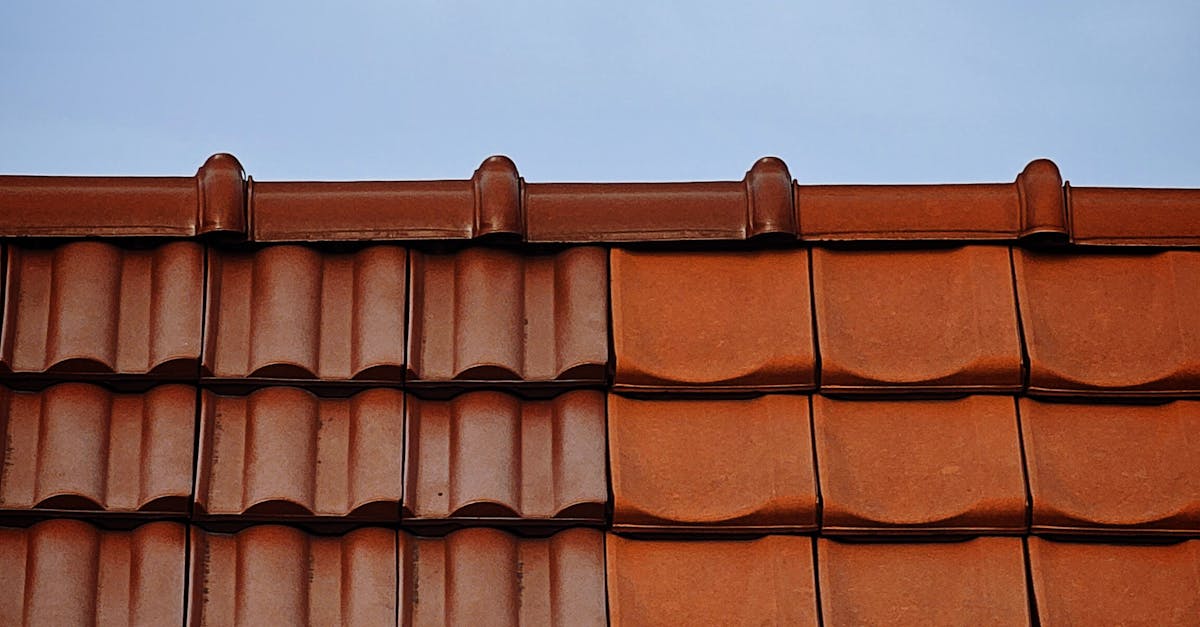
Natural Solutions for Moss and Algae on Sydney Roofs
Table Of Contents
Baking Soda as a Moss and Algae Solution
Baking soda is an effective and environmentally friendly option for combating moss and algae on roofs. Its alkaline nature disrupts the growth of these unwanted organisms while being safe for surrounding plants and wildlife. Furthermore, the substance can easily be found in households, making it a convenient choice for homeowners who want to address these issues without resorting to harsh chemicals.
To use baking soda, simply mix it with water to create a paste or dilute it into a spray solution. Applying the mixture directly onto affected areas allows it to penetrate beneath the surface, effectively targeting the root systems of moss and algae. Regular treatment can help maintain the cleanliness of your roof while promoting a healthier living environment.
How to Apply Baking Soda on Your Roof
To begin, prepare a mixture by combining baking soda with water in a spray bottle. A common ratio is one part baking soda to three parts water, creating a thick paste. For larger areas, consider using a bucket and a brush to apply the mixture more effectively. Ensure you wear gloves to protect your hands and goggles to safeguard your eyes, as the mixture can cause irritation.
Once the baking soda mixture is ready, climb up to the roof safely. Apply it generously to any moss or algae patches using the spray bottle or a brush. Be sure to cover the affected areas thoroughly while avoiding any roof elements that might be sensitive to harsh chemicals, such as seals or coatings. Allow the solution to sit for at least 30 minutes before rinsing it off with water, which helps lift the loosened moss and algae.
The Role of Essential Oils
Essential oils have gained popularity as a natural method for combating moss and algae growth on roofs. The unique properties of these oils can deter the development of unwanted vegetation, providing an eco-friendly alternative to harsh chemicals. A few essential oils, particularly those derived from plants known for their antifungal and antibacterial properties, have shown promise in maintaining roof cleanliness.
The use of essential oils not only helps in preventing moss and algae but also contributes to a pleasant aroma around the home. Incorporating oils like eucalyptus or lemon can bring dual benefits, enhancing the aesthetic appeal of your surroundings while effectively addressing roof issues. Regular applications can help keep roofs clear, making essential oils an attractive component of a preventative maintenance routine.
Using Tea Tree Oil for Prevention
Tea tree oil has gained popularity for its natural antifungal and antibacterial properties, making it an effective choice for preventing moss and algae growth on roofs. Its application can help create an environment unfavourable for these organisms, reducing the likelihood of infestations. The oil's strong aroma also deters pests, adding an extra layer of protection to your roof and home.
To use tea tree oil, mix a solution of one part oil to ten parts water in a spray bottle. Generously apply this mixture to areas prone to moss and algae, especially in shaded or damp spots where growth is more likely. It’s best to treat your roof during dry weather for optimal absorption. Regular application every few months can help maintain the preventative effects and keep your roof looking clean and healthy.
Preventive Measures to Avoid Future Growth
Moss and algae thrive in damp environments. Ensuring proper drainage around your home is essential to prevent water from pooling on your roof. Regularly inspect your gutters and downpipes for blockages that can lead to water build-up. A well-maintained gutter system promotes quick drainage, minimising the conditions conducive to unwanted growth.
Keeping your roof clean is another key factor in prevention. Regularly removing debris such as leaves and twigs can help reduce moisture retention. Consider scheduling routine inspections and cleanings at least twice a year, particularly before the rainy season. Incorporating these practices into your home maintenance routine will significantly decrease the likelihood of moss and algae returning.
Maintaining Proper Drainage and Gutter Systems
A well-maintained drainage and gutter system is crucial in preventing the growth of moss and algae on roofs. Clean gutters allow rainwater to flow freely, reducing the likelihood of standing water, which creates an ideal environment for these unwanted plants to thrive. Regular inspections to clear out leaves, debris, and any blockages will keep water moving and mitigate moisture retention on rooftops.
Proper drainage extends beyond gutter maintenance. Ensuring that downspouts are directed away from the foundation and roof allows for effective water runoff. Installing drainage systems where required can also help manage excess water in areas prone to pooling. This proactive approach makes it harder for moss and algae to establish themselves in the first place, preserving both the integrity and aesthetics of your roof.
FAQS
What is the best natural solution for removing moss and algae from roofs in Sydney?
Baking soda is an effective natural solution for removing moss and algae. It helps to kill the spores and prevent regrowth.
How do I apply baking soda to my roof?
To apply baking soda, mix it with water to create a paste. Spread the paste on the affected areas of your roof using a brush or spray bottle, and let it sit for several hours before rinsing it off with water.
Can essential oils be used to prevent moss and algae growth?
Yes, essential oils, particularly tea tree oil, can be used to prevent moss and algae growth. They have natural antifungal properties that inhibit the growth of these organisms.
What preventive measures can I take to avoid future moss and algae growth on my roof?
Maintaining proper drainage and ensuring your gutter systems are clean and functional are key preventive measures. Limiting shade on your roof can also help reduce moisture buildup, which encourages growth.
Is it safe to use these natural solutions on all types of roofing materials?
Most natural solutions, like baking soda and essential oils, are safe for common roofing materials. However, it’s advisable to test a small area first and consult with a roofing professional if you have concerns about specific materials.
Related Links
Preventative Measures to Keep Your Roof Algae-FreeComparing Different Methods for Roof Moss Eradication
Common Myths About Roof Moss and Algae Cleaning
The Importance of Removing Algae for Roof Longevity
Signs Your Roof Needs Moss and Algae Treatment
How to Identify and Treat Roof Moss Build-Up
The Role of Regular Maintenance in Preventing Algae Growth
Best Practices for Algae Cleaning on Residential Roofs
Effective Techniques for Moss Removal from Sydney Roofs