Signs Your Roof Needs Moss and Algae Treatment
Table Of Contents
Roof Types and Their Susceptibility
Different roofing materials have varying levels of susceptibility to moss and algae growth. For instance, roofs with a steep pitch tend to allow moisture to drain away more effectively, thus reducing the chances of these organisms taking hold. Conversely, flatter roofs can create stagnant water areas, providing an ideal environment for moss and algae proliferation. Age also plays a significant role, as older roofs may have accumulated dirt and debris, fostering growth.
Some materials are more prone to issues than others. Asphalt shingles, particularly those with organic or felt bases, can be quite vulnerable due to their organic content. Metal roofs generally resist moss and algae growth but can still develop stains if not properly maintained. Tile and slate roofs, while durable, can also be susceptible to build-up in crevices, leading to potential problems if ignored. Understanding these susceptibilities can help homeowners make informed decisions regarding roofing care.
Most Vulnerable Roofing Materials
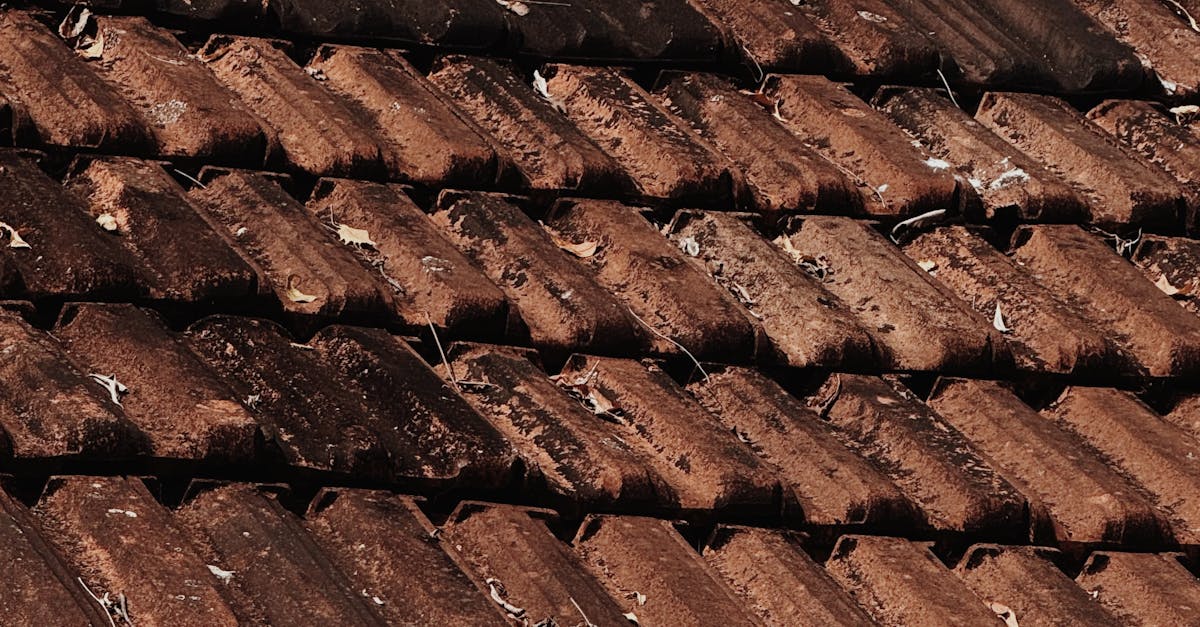
Certain roofing materials are more prone to moss and algae growth due to their texture and porosity. Wood shingles, for instance, offer an ideal environment for these growths, as their organic nature absorbs moisture. Similarly, asphalt shingles can attract algae, especially when they have protective granules wearing away. The flat surfaces of tiles can also retain water, making them susceptible to microbial invasions.
Metal roofs, while generally resistant to moss and algae, can also be affected in shaded areas where moisture lingers. These environments create a perfect breeding ground despite the material's otherwise durable properties. As a result, homeowners should regularly inspect all types of roofing materials to identify early signs of growth and take preventive measures before issues escalate.
Effective Prevention Strategies
Maintaining your roof's integrity involves implementing several effective strategies to prevent the growth of moss and algae. Regular inspections can help identify early signs of these unwanted organisms. Keeping the roof clean by removing leaves, branches, and other debris reduces moisture retention. By ensuring proper drainage and installing gutter guards, homeowners can further minimise the chances of moss and algae build-up.
A proactive approach also includes choosing the right roofing materials. Some options, such as metal or slate, are less likely to support moss and algae growth. If you have asphalt shingles, consider using products specifically designed to inhibit moss and algae development. Routine cleaning every few years, along with applying a protective treatment, can significantly prolong the life of your roof and keep it looking pristine.
Regular Maintenance Practices
Maintaining a clean roof is essential for preventing the growth of moss and algae. Regular inspections can help identify early signs of accumulation. Homeowners should aim to remove debris, such as leaves and twigs, which can trap moisture and create a perfect environment for these organisms. Cleaning gutters and downpipes is also vital. Blocked gutters can lead to water pooling on the roof, increasing the risk of moss and algae growth.
In addition to debris removal, applying a preventative treatment can enhance the durability of the roof. Many products are available that inhibit the growth of organic material. It is advisable to follow the manufacturer's instructions carefully for best results. Scheduling routine inspections at least once a year can catch potential problems early, allowing for timely intervention before extensive treatment becomes necessary.
Professional Treatment Options
For homeowners struggling with significant moss and algae infestations, professional treatment options can provide effective solutions. Experienced contractors typically use commercial-grade cleaning products that are specifically formulated to eliminate these growths without damaging the roofing materials. High-pressure washing is common, though care must be taken to avoid dislodging shingles or tiles. Many professionals also offer treatment that includes protective coatings, which can prevent future growth and extend the lifespan of the roof.
When considering professional assistance, it’s important to research and choose contractors with a strong reputation and relevant experience. Obtaining multiple quotes can help gauge the average cost and scope of the services offered. During initial assessments, many professionals will also provide advice on maintenance strategies, ensuring that roofs remain in optimal condition post-treatment. Selecting the right treatment plan not only improves curb appeal but also safeguards the structural integrity of the home.
When to Hire a Contractor
Homeowners should consider enlisting professional help if the moss and algae growth is extensive or if they are unsure how to effectively treat it themselves. Specialists possess the expertise and tools to assess the situation accurately and execute a safe treatment plan. Moreover, certain roofing materials require specific handling that a professional will be well-versed in, ensuring the integrity of the roof remains intact.
Additionally, a contractor can provide a comprehensive assessment of the roof’s condition beyond just moss and algae issues. They can identify any underlying problems that may exacerbate the growth of these organisms. Hiring a professional not only helps restore the roof’s appearance but also prolongs its lifespan through effective treatment and maintenance strategies.
FAQS
How can I tell if my roof has moss or algae?
Look for dark streaks, green patches, or a fuzzy appearance on your roof. These are common signs that indicate the presence of moss or algae.
What types of roofs are most susceptible to moss and algae growth?
Roofs made of wood, asphalt shingles, and clay tiles are particularly vulnerable to moss and algae due to their porous nature and ability to retain moisture.
How often should I perform maintenance to prevent moss and algae on my roof?
It's advisable to inspect your roof at least twice a year and after severe weather events. Regular cleaning and maintenance can help prevent the buildup of moss and algae.
Can I treat moss and algae on my roof myself?
While some homeowners choose to treat their roofs with commercial products or homemade solutions, it is often safer and more effective to hire a professional, especially for steep or high roofs.
What are the benefits of hiring a professional for roof treatment?
Professionals have the experience, equipment, and knowledge to safely and effectively remove moss and algae, ensuring your roof is not damaged in the process and that the treatment lasts longer.
Related Links
The Importance of Removing Algae for Roof LongevityPreventative Measures to Keep Your Roof Algae-Free
Common Myths About Roof Moss and Algae Cleaning
Natural Solutions for Moss and Algae on Sydney Roofs
Comparing Different Methods for Roof Moss Eradication
How to Identify and Treat Roof Moss Build-Up