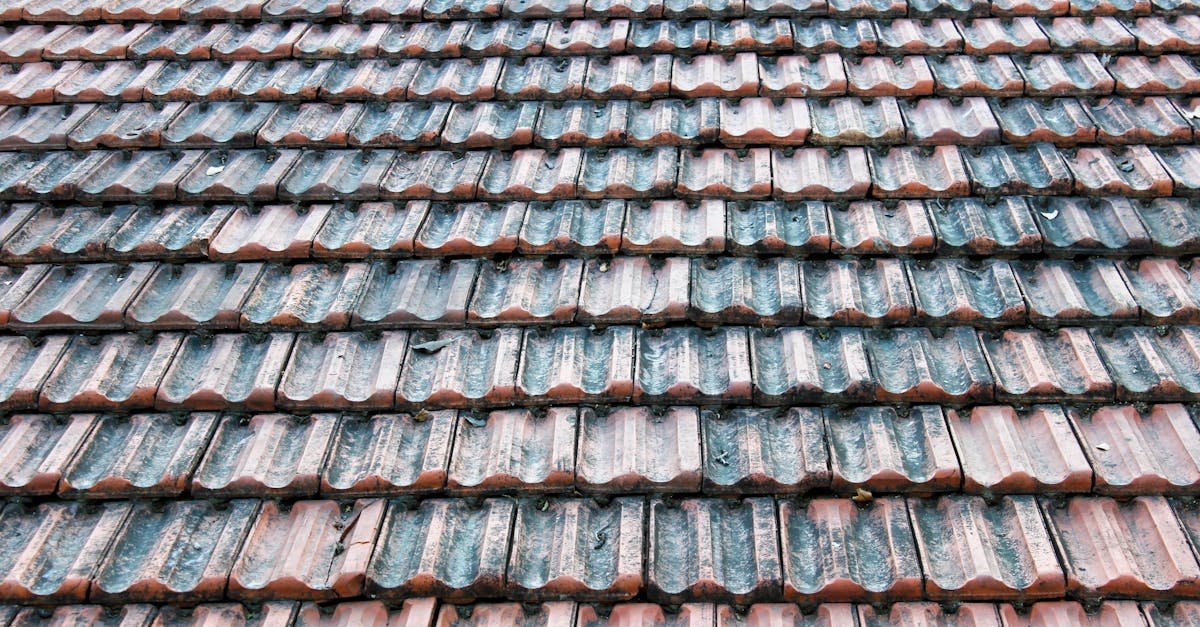
Best Practices for Algae Cleaning on Residential Roofs
Table Of Contents
When to Hire a Professional
Homeowners should consider hiring a professional for roof cleaning when they notice extensive algae growth that is challenging to tackle independently. Persistent staining, especially in hard-to-reach areas or on steep pitches, often requires specialised equipment and training for safe and effective removal. Neglecting to seek professional assistance can exacerbate underlying issues, potentially leading to costly repairs in the future.
Additionally, if there are concerns about the safety of performing the work, it may be prudent to bring in an expert. Factors such as height, roof composition, and the presence of moss or lichen complicate DIY approaches. Professionals possess the expertise to assess these risks and implement appropriate cleaning solutions without damaging the roof or endangering themselves.
Signs That Indicate Professional Help is Needed
When observing persistent algae growth that does not respond to standard cleaning methods, it may be time to consider professional assistance. Homeowners should be wary if the algae has spread extensively, particularly in hard-to-reach areas, which can make DIY cleaning unsafe and ineffective. Additionally, signs of significant roof damage or decay accompanying the algae, such as cracked tiles or weakened structures, signify that a professional's expertise is necessary to ensure safety and proper maintenance.
Another indicator of needing professional help is the presence of moss or lichen in conjunction with algae. These organisms can cause more profound damage to the roofing material over time. If a homeowner notices dark stains or patches reappearing rapidly after cleaning, this may suggest underlying issues requiring specialist treatment. A professional can conduct a thorough inspection and offer tailored solutions that safeguard the roof from further algae growth and potential damage.
Seasonal Considerations for Roof Maintenance
The changing seasons play a crucial role in determining the most effective times to clean residential roofs. Spring often presents the best opportunity, as the milder temperatures and longer daylight hours encourage thorough inspections and maintenance. Regular cleaning is essential after heavy rainfall, which can exacerbate the growth of algae and moss, particularly if leaves and debris accumulate on the roof. Homeowners should also consider regional factors, such as local climates and vegetation, which influence algae growth patterns throughout the year.
Autumn is another important season for roof maintenance, as it tends to bring an influx of fallen leaves. These leaves can trap moisture and debris, creating an ideal environment for algae and mould. Taking preventive measures during this time is vital. By proactively cleaning the roof, homeowners can ensure that shingles remain intact and free from harmful growth. Additionally, it is wise to monitor the roof after any significant weather events that may compromise its condition.
Best Times of Year for Cleaning Roofs
Cleaning a roof can greatly benefit from timing, particularly with respect to seasonal weather patterns. The ideal opportunity often arises in spring as the weather gets warmer and drier. This season allows ample time for algae and debris removal before the heavy rains of winter arrive again. Homeowners can observe how accumulated moisture creates a favourable environment for algae growth, making early spring an essential window for proactive cleaning.
Autumn is another suitable season for maintenance, primarily as trees shed leaves that can block drainage systems. Addressing roof cleanliness during this period prevents organic materials from causing algae proliferation over the wetter months. Additionally, scheduling cleaning before winter can be advantageous in preventing ice and snow buildup on a clean surface, which can lead to further damage. Each of these seasons offers unique benefits, allowing for an optimal approach to maintaining a clean, algae-free roof.
Long-Term Prevention Strategies
Maintaining an algae-free roof requires consistent attention and care. Choosing roofing materials with algae-resistant properties can significantly reduce the likelihood of infestations. Regular inspections of the roof can help identify early signs of algae growth. Ensure gutters and downpipes are clear to prevent water from pooling, as stagnant moisture fosters algae development. Additionally, trimming overhanging branches allows more sunlight to reach the roof, further inhibiting algae growth.
Incorporating zinc or copper strips along the ridge of the roof can offer a practical solution for long-term prevention. As rainwater flows over these metals, it releases ions that deter algae and moss. Beyond physical barriers, nurturing a healthy landscape around the home contributes to a cleaner roof environment. This includes using appropriate landscaping techniques to manage moisture levels and promote good air circulation around the house, ultimately supporting a longer-lasting clean roof.
Tips for Keeping Your Roof Algae-Free
Regularly inspecting your roof offers essential insights into its condition. Look out for early signs of algae growth, such as discolouration on shingles. Keeping nearby trees trimmed can significantly reduce the amount of shade on your roof, thus limiting moisture retention. Less moisture means a lower chance for algae to establish.
Implementing a routine cleaning schedule can also prolong the lifespan of your roof. Using a gentle wash with appropriate cleaning agents helps in removing any existing algae. Once cleaned, consider applying a protective coating designed to repel moisture and inhibit future growth. This proactive approach creates a less favourable environment for algae, enhancing the overall integrity of your roofing system.
FAQS
How often should I clean my roof to prevent algae growth?
It's generally recommended to clean your roof at least once a year, ideally in the spring or early autumn, to prevent algae growth and maintain your roof's integrity.
What are the signs that I need to hire a professional for roof cleaning?
Signs that indicate you may need professional help include extensive algae coverage, difficulty accessing your roof safely, and if you've experienced significant roof damage or leaks.
Can I use bleach to clean algae off my roof?
While bleach can be effective in killing algae, it's not recommended for roof cleaning as it can damage roofing materials and harm surrounding plants. Consider using roof-safe cleaning solutions instead.
What are some long-term strategies to keep my roof algae-free?
Long-term strategies include installing zinc or copper strips along the roof ridge, ensuring proper drainage, and maintaining surrounding vegetation to minimise shade and moisture retention.
Is it necessary to clean the roof in winter?
Cleaning your roof in winter is not typically necessary, as algae growth slows down during colder months. However, it’s important to ensure your roof is free from debris and ice dams to prevent damage.
Related Links
The Role of Regular Maintenance in Preventing Algae GrowthEffective Techniques for Moss Removal from Sydney Roofs
Common Myths About Roof Moss and Algae Cleaning
The Importance of Removing Algae for Roof Longevity
Signs Your Roof Needs Moss and Algae Treatment