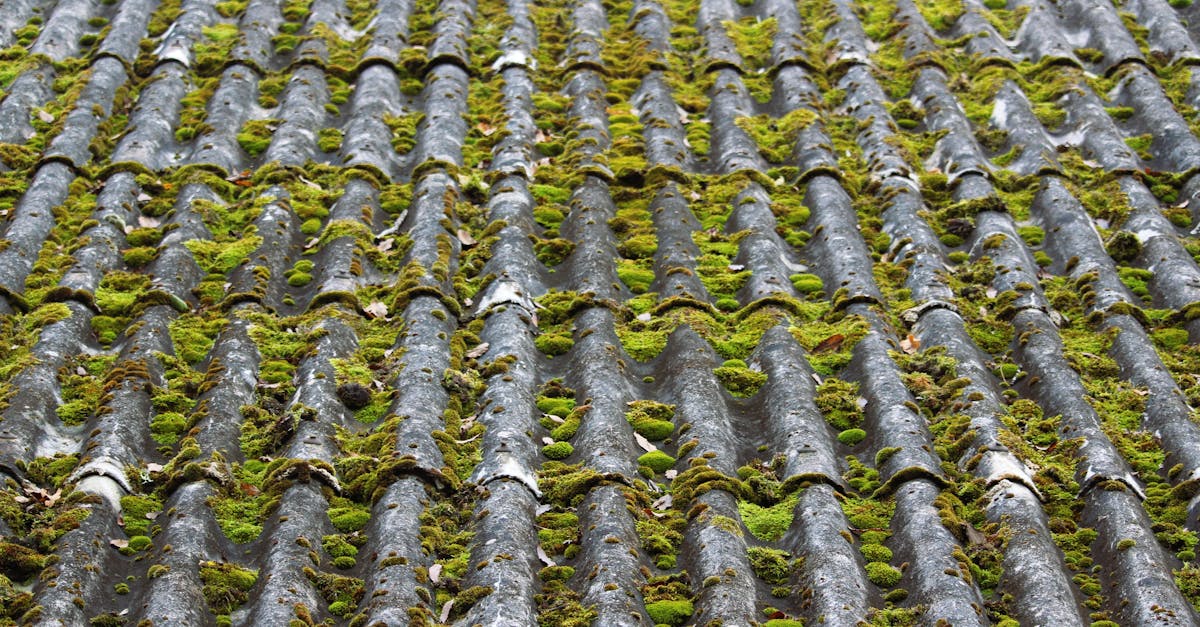
Preventative Measures to Keep Your Roof Algae-Free
Table Of Contents
Environmental Factors That Encourage Algae
The formation of algae on roofs is often prompted by specific environmental conditions. Humid climates, especially those with ample rainfall, provide a perfect breeding ground for these organisms. Algae thrive in warm temperatures and damp settings, making regions with higher humidity levels particularly susceptible. Over time, a build-up of organic debris, such as leaves or moss, can trap moisture on the roof surface, further facilitating algae growth.
Additionally, shaded areas on roofs can exacerbate the issue. Tree canopies or nearby structures can block sunlight, creating a cool, moist environment ideal for algae proliferation. The presence of these contributing factors can lead to an increase in the visibility of algae, presenting not only aesthetic concerns but also potential damage to roofing materials. Regular observation of environmental conditions and quick intervention can be crucial in managing the growth of algae effectively.
How Climate Influences Algae Growth
Warm and humid climates create ideal conditions for algae to thrive. Temperatures typically above 20°C combined with consistent moisture encourage rapid growth. Areas with high levels of rainfall may experience an increase in damp surfaces, which can further facilitate the development of algae. Regions near large bodies of water or forests often see more algae due to the abundance of nutrients and moisture in the local environment.
Conversely, cooler and drier climates generally inhibit algae proliferation. Limited rainfall reduces the moisture content necessary for growth, while lower temperatures can slow down the metabolic processes of algae. However, fluctuations in weather patterns, such as extreme humidity or unexpected storms, can temporarily create suitable conditions, making vigilance crucial regardless of the overall climate profile. Ensuring proper drainage on roofs becomes essential in these scenarios to mitigate moisture retention and prevent algae formation.
Landscaping Strategies to Deter Algae
Creating a smart landscaping design can significantly reduce the likelihood of algae growth on roofs. One effective strategy is to ensure that trees and shrubs are positioned in a way that allows ample sunlight to reach the roof. When roofs are shaded for extended periods, moisture can accumulate, creating an ideal environment for algae. Additionally, maintaining adequate air circulation around the house helps in drying out any residual moisture, further discouraging algae proliferation.
Selecting the right types of vegetation can also play a pivotal role in roof protection. Opt for plants that require minimal water or are drought-resistant, as these types tend to shed less debris. Limiting the amount of organic matter that collects on the roof from overhanging branches and abundant foliage is crucial. Ground cover plants that spread low to the ground can be used strategically to minimize debris accumulation near the eaves. By making thoughtful landscaping choices, homeowners can significantly reduce the chances of developing algae on their roofs.
The Right Vegetation for Roof Protection
Choosing the right vegetation can significantly influence the growth of algae on your roof. Opting for plants that require minimal irrigation and do not produce excessive shade can help to limit moisture retention. Low-maintenance, drought-resistant species are ideal as they contribute less organic debris, reducing the potential for algae proliferation. Ground cover plants that are kept trimmed can also provide a natural barrier against moisture accumulation, further safeguarding your roof.
Careful landscaping planning is essential for maintaining the integrity of your roofing. Positioning trees and larger shrubs at a distance from the roofline can help in minimising debris while allowing adequate sunlight to reach the surface. Selecting native plants that thrive in your local climate can create a balanced ecosystem that promotes healthy growth without overwhelming your roof. This strategic choice not only helps in reducing algae growth but also adds to the overall aesthetic appeal of your property.
Regular Maintenance Practices
Keeping a regular maintenance schedule for your roof significantly reduces the risk of algae growth. Cleaning gutters and downspouts prevents water pooling, which can create a moist environment conducive to algae. Inspections should be performed periodically, allowing for timely identification of any areas that may be prone to moisture retention.
In addition to gutter management, it is sensible to clear debris off the roof. Leaves, branches and other organic materials can trap moisture, fostering algae proliferation. Consider engaging professional services for thorough cleanings, especially in regions with high humidity or frequent rainfall, to ensure your roof remains in good condition and free from unwanted growth. Regular maintenance also preserves the longevity of roofing materials, translating to cost savings over time.
Scheduling Routine Roof Care
Establishing a regular schedule for roof maintenance is crucial for preventing algae growth. Performing routine inspections allows homeowners to identify potential problems early, such as the accumulation of organic debris that can harbour moisture. Cleaning the roof every six months can significantly reduce the risk of algae development. It is also advisable to check for any overhanging tree branches that might obstruct sunlight and contribute to a damp environment.
In addition to regular cleaning, applying preventive treatments can help maintain roof health over time. Certain products are designed to repel moss and algae, extending the lifespan of roofing materials. Homeowners should consider professional help for more thorough inspections and treatments. This can be especially beneficial in areas prone to high humidity and rainfall, where algae growth is more likely.
FAQS
What environmental factors contribute to algae growth on roofs?
Algae growth is often encouraged by factors such as high humidity, warm temperatures, and the presence of organic materials like leaves and debris on the roof.
How does climate influence algae growth on roofs?
Areas with a warm, humid climate are more susceptible to algae growth, as these conditions provide an ideal environment for algae to thrive.
What landscaping strategies can help deter algae growth on roofs?
Implementing landscaping strategies such as trimming overhanging branches, ensuring proper drainage, and using vegetation that does not shed leaves can help reduce the likelihood of algae growth.
What types of vegetation are best for protecting roofs from algae?
Low-maintenance plants that do not retain moisture or shed excessive leaves are ideal. Consider using drought-resistant plants or those that provide shade without creating too much organic debris.
How often should I schedule routine maintenance for my roof to prevent algae?
It is advisable to schedule routine roof maintenance at least twice a year, preferably in spring and autumn, to inspect for debris, clean gutters, and address any signs of algae growth early on.
Related Links
Signs Your Roof Needs Moss and Algae TreatmentNatural Solutions for Moss and Algae on Sydney Roofs
Common Myths About Roof Moss and Algae Cleaning
The Importance of Removing Algae for Roof Longevity
Comparing Different Methods for Roof Moss Eradication
How to Identify and Treat Roof Moss Build-Up
The Role of Regular Maintenance in Preventing Algae Growth