Choosing the Right Pressure Washer for Roof Cleaning Projects
Table Of Contents
Safety Precautions When Using a Pressure Washer
Using a pressure washer can be a highly effective way to clean a roof, but safety should always come first. Ensure that you wear appropriate personal protective equipment such as safety goggles, gloves, and non-slip footwear. This gear can help protect your skin and eyes from debris and high-pressure water sprays. Familiarising yourself with the equipment before starting is equally important. Read the manufacturer's instructions carefully to understand the machine's features and limitations, as improper use can result in accidents or damage.
It is also essential to assess the area surrounding your roof before cleaning. Remove any obstacles like furniture or decorations that could pose a risk during the cleaning process. Make sure the ground is stable and that there are no power lines or other hazards nearby. If conditions like wet surfaces or high winds are present, reconsider starting the task as these elements can increase the chance of slips and falls. Keeping safety as a priority will not only protect you but also ensure a smoother and more efficient cleaning experience.
Personal Protective Equipment
When using a pressure washer for roof cleaning, personal protective equipment (PPE) is essential to ensure safety. A sturdy pair of non-slip work boots offers crucial grip on slippery surfaces, reducing the risk of falls. Goggles or a face shield protect the eyes from debris and water that may be ejected at high velocity. Wearing gloves is also advised; they not only secure a firm grip on equipment but protect the hands from chemicals and contaminants.
In addition to the basics, a hard hat provides extra protection, especially if your work area has overhanging branches or loose debris. It’s equally important to wear durable clothing that covers arms and legs, minimising exposure to water and other materials. Depending on the chemical agents used for cleaning, a mask may be necessary to prevent inhalation of harmful fumes. Preparing appropriately with the right PPE can enhance safety and allow for a more efficient roof cleaning experience.
Preparing Your Roof for Cleaning
Before starting any cleaning project, it's crucial to assess the condition of your roof. Look for broken tiles, loose shingles, or signs of structural issues. Identifying damage before applying a pressure washer prevents exacerbating existing problems. If any repairs are necessary, address them prior to cleaning to ensure safety and effectiveness during the process.
Once repairs are made, clear the roof of any debris such as leaves, branches, or dirt. Removing these materials allows the pressure washer to operate more effectively. Take care to check gutters and downspouts as well, ensuring they are free of blockages. Proper preparation not only enhances the cleaning efficiency but also minimises potential hazards while working at height.
Inspecting for Damage
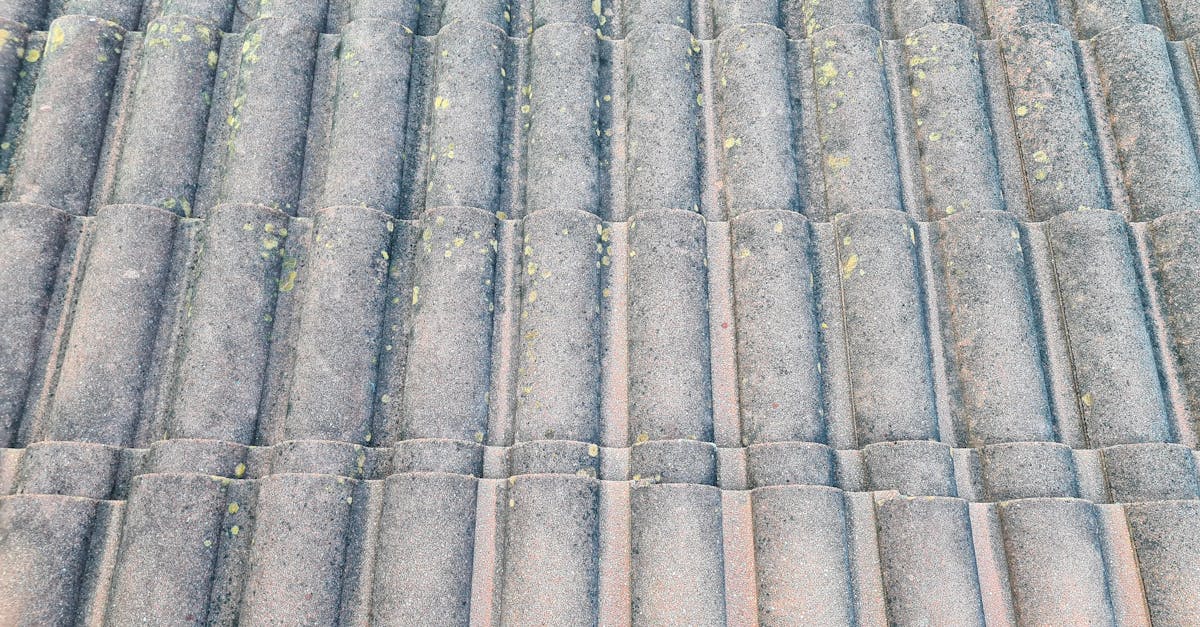
Before undertaking any cleaning project, assessing the roof's condition is crucial. Look for missing tiles or shingles, cracks, and deteriorating sections that may require repairs. Pay attention to areas around chimneys, vents, and skylights where damage is often more prevalent. Observing moss, lichen, or other debris buildup can also indicate potential structural issues underneath the surface.
A thorough inspection helps to identify not just existing problems but also areas that may become problematic after cleaning. Removing accumulated debris before using a pressure washer can prevent additional strain on the roof. Noting any weak spots allows for more cautious handling of the pressure washing equipment and techniques, further ensuring the roof remains intact during the cleaning process.
Techniques for Effective Roof Cleaning
Effective roof cleaning requires a strategic approach to ensure the best results while minimising potential damage. It is important to maintain the correct angle when directing the pressure washer. Keeping the nozzle at a 45-degree angle can help prevent water from getting underneath tiles or shingles, which could lead to leaks. Similarly, maintaining an appropriate distance of at least 1.5 to 3 metres from the roof surface can reduce the risk of damaging roofing materials while still delivering sufficient cleaning power.
Using the right technique also involves breaking down the cleaning process into sections. Working methodically allows for a thorough clean without overwhelming the surface. Start from the top of the roof and work downwards to ensure that debris and dirty water flow off the roof rather than onto clean areas. This approach ensures that the entire surface is treated efficiently while promoting even cleaning and minimising streaks or spots that may require additional attention later.
Using Proper Angles and Distances
When cleaning a roof, the angle and distance from the surface significantly impact the effectiveness of the pressure washer. Maintaining an appropriate distance of around 2 to 3 feet is advisable for most surfaces. This allows the pressure to disperse adequately, ensuring a thorough clean without causing any damage. Holding the nozzle too close can lead to unwanted abrasions or even dislodging shingles.
Adjusting the angle of the nozzle is equally essential. A downward angle helps direct debris off the roof while also reducing the risk of water seeping beneath shingles and into the underlying structure. Keeping the spray at a consistent angle helps maintain control over the pressure, allowing for a more efficient removal of dirt and contaminants without compromising the integrity of the roofing material.
FAQS
What type of pressure washer is best for roof cleaning?
A pressure washer with a minimum of 2000 PSI and an adjustable nozzle is ideal for roof cleaning, as it can effectively remove dirt and debris without causing damage.
How do I prepare my roof before using a pressure washer?
Before pressure washing, inspect your roof for any damage, remove loose debris, and ensure that all safety precautions are in place, including using the right personal protective equipment.
What safety precautions should I take while pressure washing my roof?
Always wear protective gear such as safety goggles, gloves, and non-slip footwear. Additionally, ensure that the area is clear of obstacles and that you are using the pressure washer at a safe distance from the edge of the roof.
Can I use any cleaning solution with my pressure washer?
Not all cleaning solutions are suitable for pressure washers. Use a detergent specifically designed for pressure washers and safe for roofing materials to avoid damage.
What techniques should I use to effectively clean my roof?
Use a proper angle and distance when applying the pressure washer. Start at the highest point of the roof and work your way down, applying the cleaning solution from a safe distance to avoid damaging the roofing material.
Related Links
The Best Brushes for Removing Moss and Algae from RoofsEssential Tools for Effective DIY Roof Cleaning in Sydney
Choosing the Best Garden Hose Attachment for Roof Cleaning
Top Squeegees for Achieving a Shine on Your Roof
Easy-to-Use Roof Cleaning Rakes for DIY Enthusiasts
Essential Safety Equipment for Risk-Free DIY Roof Work
Recommended Cleaners and Solutions for DIY Roof Maintenance