Easy-to-Use Roof Cleaning Rakes for DIY Enthusiasts
Table Of Contents
Common Mistakes to Avoid
Many DIY enthusiasts underestimate the potential hazards involved in roof cleaning. Failing to assess the stability of the roof before proceeding can lead to accidents. It’s essential to check for loose tiles, overhanging branches, or slippery surfaces. Not wearing appropriate safety gear, such as non-slip shoes and a helmet, can also increase the risk of injury. Additionally, neglecting to have someone else present while you work can turn a simple task into a dangerous situation, especially if you fall or require assistance.
Another common oversight is not choosing the right tools for the job. Many people opt for heavy-duty cleaning rakes without considering their roof's material and condition. Using the wrong rake can cause damage to shingles, tiles, or other roofing materials. Moreover, trying to clean during adverse weather conditions can lead to ineffective results and potential hazards. Understanding the specific cleaning requirements for your roof type is crucial. Taking time to plan and prepare can make a significant difference in both safety and effectiveness.
Ensuring a Thorough and Safe Cleaning
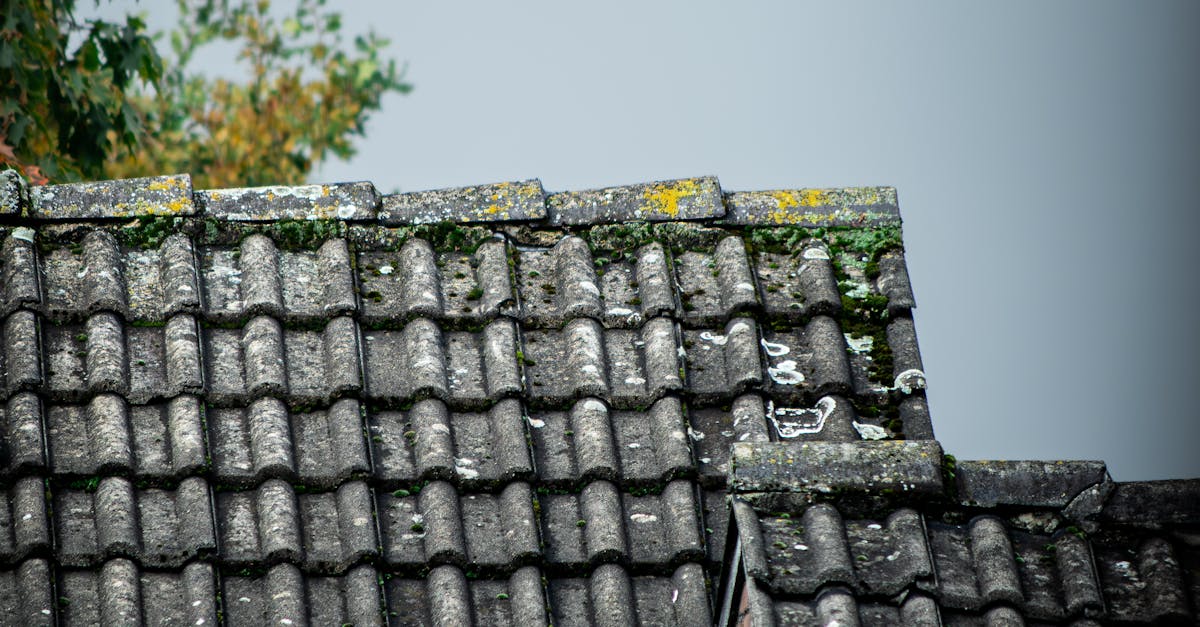
A proper roof cleaning session begins with a careful assessment of the roof's condition. Ensure there are no loose tiles, branches, or debris that could pose risks during the cleaning process. Inspect for any signs of damage, such as cracks or moss growth. Unstable sections may require more caution or professional assistance. Using a roof cleaning rake allows for safe removal of debris while standing securely on the ground. This reduces the risk of slips and falls, ensuring a safer and more effective cleaning experience.
When cleaning, consider the angle and technique used to avoid inadvertently damaging the roofing material. Employ gentle, sweeping motions while working from the edge of the roof toward the peak. This prevents lifting shingles or tiles that could lead to leaks. Additionally, wearing appropriate safety gear is crucial. Non-slip shoes, gloves, and protective eyewear should be used to guard against both hazards and falling debris. Following these precautions can enhance the cleaning process and maximise safety.
Environmental Considerations
Cleaning roofs can have an impact on the surrounding environment, particularly when harsh chemicals are used. Many traditional roof cleaners contain toxic substances that can leach into the soil and waterways, harming local wildlife and disrupting ecosystems. It is essential to be mindful of the products you choose, opting for environmentally friendly options that minimise ecological harm.
Some DIY enthusiasts look for solutions that are both effective and sustainable. There are various eco-friendly products on the market, ranging from biodegradable cleaners to natural alternatives like vinegar or baking soda. These options not only preserve the environment but often achieve comparable results to conventional cleaners. Implementing safer cleaning practices is crucial for protecting the homes we maintain and the natural spaces we cherish.
Eco-Friendly Cleaning Solutions
Opting for eco-friendly cleaning solutions can significantly reduce environmental impact while maintaining the integrity of your roof. Biodegradable products are available that effectively remove moss, algae, and lichen without harming surrounding plants or wildlife. Many of these solutions derive from natural ingredients, ensuring a safe cleaning process that aligns with sustainable practices.
Additionally, homemade cleaning alternatives often present viable options for those seeking to minimise chemical usage. A mixture of vinegar and water can be an effective way to tackle stubborn stains, while baking soda acts as a gentle abrasive for scrubbing. It is vital to test any homemade solution in a small area to avoid damage to the roofing material. By using these eco-friendly methods, homeowners can contribute to a healthier environment during their roof maintenance efforts.
Comparing Popular Roof Cleaning Rakes
When evaluating roof cleaning rakes, several factors come into play. The weight and design of the rake are essential for ease of use and manoeuvrability. Lightweight materials allow for efficient handling, while ergonomic designs can reduce strain on the user. Additionally, the width of the rake head affects how much debris can be cleared in a single pass, which can significantly impact overall cleaning time.
Price varies widely across different models, and while more expensive rakes may offer advanced features, some budget-friendly options perform admirably. Features to consider include adjustable lengths for reaching higher roofs and durable attachments that prevent damage to roofing materials. By comparing these aspects, DIY enthusiasts can find the best rake suited to their specific needs.
Top Picks for DIY Enthusiasts
For DIY enthusiasts looking to maintain their roofs effectively, several roof cleaning rakes stand out in both functionality and user-friendliness. The Gutter Whisker is a popular choice, featuring an adjustable pole that allows users to reach high points safely and efficiently. Its lightweight design makes it easy to manoeuvre while achieving optimal results without causing damage to the roofing material. Many users appreciate its durable construction and the ease with which it can tackle debris build-up.
Another excellent option is the Rake 'n' Reach, known for its unique angled head that provides greater leverage. This tool is particularly advantageous for larger roofs, as it can combine multiple tasks without the need for frequent repositioning. Incorporating a foam grip handle, it ensures comfort during extended use. Positive reviews often highlight its efficiency in removing moss and leaves, making it a favourite among those who take pride in maintaining their home exteriors.
FAQS
What are the main benefits of using a roof cleaning rake?
Roof cleaning rakes help safely remove debris, leaves, and moss from your roof, reducing the risk of damage to roofing materials and improving overall drainage.
How do I choose the right roof cleaning rake for my needs?
Consider factors such as the type of roof you have, the height of your home, and the rake’s weight and adjustability. Reading customer reviews and comparing features can also help you make an informed decision.
Are there any safety precautions I should take when using a roof cleaning rake?
Yes, always use sturdy ladders with stabilisers, wear non-slip shoes, and work with a partner if possible. Ensure you’re not working in wet or windy conditions to avoid accidents.
Can I use a roof cleaning rake on all types of roofing materials?
While many roof cleaning rakes are designed for use on various materials, it's essential to check the manufacturer's guidelines. Some materials, like delicate shingles, may require more gentle cleaning methods.
What eco-friendly cleaning solutions can I use in conjunction with my roof cleaning rake?
Vinegar, baking soda, and biodegradable cleaners can effectively break down moss and algae without harming the environment. Always rinse thoroughly after applying any cleaning solution.
Related Links
Top Squeegees for Achieving a Shine on Your RoofEssential Safety Equipment for Risk-Free DIY Roof Work
Choosing the Best Garden Hose Attachment for Roof Cleaning
Recommended Cleaners and Solutions for DIY Roof Maintenance
Safety Gear You Need for DIY Roof Cleaning Activities
Must-Have Ladders and Scaffolding for Safe Roof Access
The Best Brushes for Removing Moss and Algae from Roofs