Recommended Cleaners and Solutions for DIY Roof Maintenance
Table Of Contents
Preventing Algae and Moss Growth
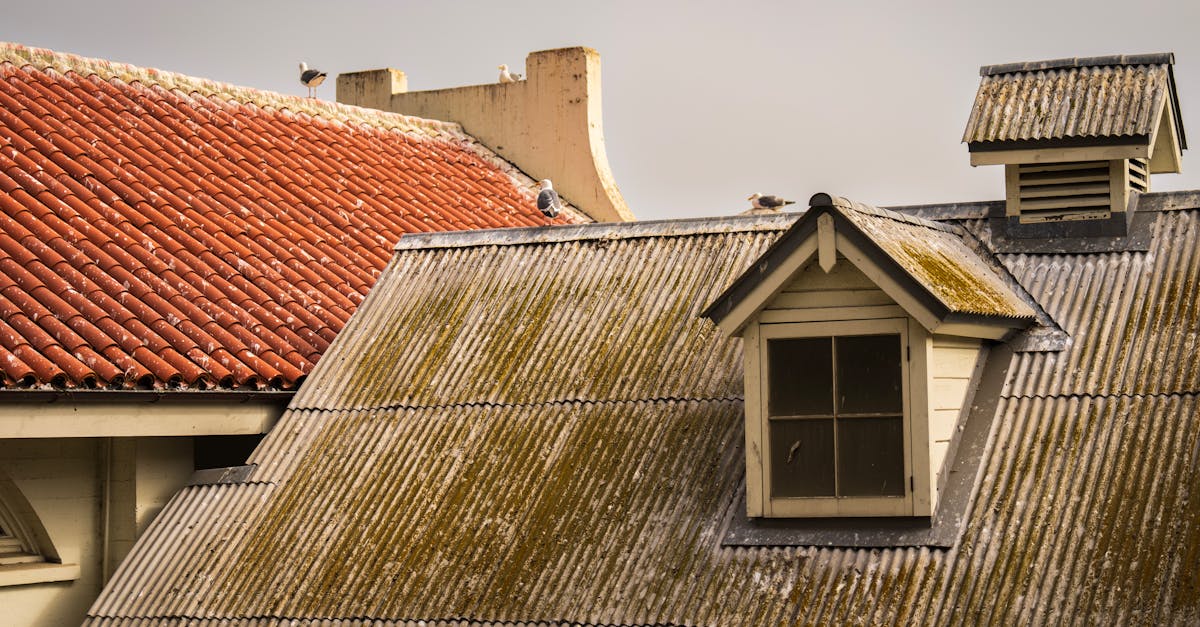
Algae and moss thrive in damp, shaded areas, making certain roof types more susceptible to growth. To minimise this risk, consider trimming overhanging branches. This action will allow more sunlight to reach the roof surface, which helps to dry moisture quickly after rainfall. Additionally, maintaining proper drainage around the roofline is crucial. Ensure gutters and downpipes are regularly cleaned to prevent water accumulation, as stagnant water can encourage these unwanted organisms.
Another effective method for prevention is the application of preventative treatments. Various products designed specifically for roofs can be applied as a proactive measure against algae and moss. These treatments often contain fungicides and algaecides that inhibit growth before it starts. Regular inspections combined with timely applications of these products can significantly reduce the likelihood of an infestation.
Effective Treatments to Maintain a Clean Roof
Regularly treating your roof with suitable solutions can significantly enhance its appearance and longevity. One popular option is a mixture of water and bleach, typically in a 3:1 ratio. This solution effectively eliminates moss, algae, and lichen, preventing them from regrowing on the surface. When applying this treatment, using a spray bottle or large garden sprayer helps cover the roof efficiently. Always ensure that the area is well-ventilated to avoid overwhelming fumes.
Another effective method involves utilising commercial roof cleaning products specifically designed to combat roof stains and organic growth. These cleaners often contain an algaecide or fungicide that targets stubborn stains without posing harm to your roofing materials. Applying this type of product following the manufacturer's instructions will yield the best results. Remember to rinse the roof thoroughly after treatment to remove any residue and avoid damage to your gutters or nearby plants.
Choosing the Right Time for Roof Maintenance
Timing is essential when it comes to roof maintenance. The ideal period usually falls in the spring or autumn months when weather conditions are milder. Extreme temperatures can affect cleaning solutions' efficacy and the safety of the individuals performing the maintenance. During these seasons, the likelihood of rain is lower, allowing surfaces to dry more effectively.
Monitoring the local climate can also help determine the best time for upkeep. If the area has a high incidence of moisture, it may be wise to schedule cleaning before the rainy season begins. Keeping an eye out for excessive debris or signs of algae and moss growth will provide additional indicators that maintenance is needed. Regular checks during the year can help prevent larger issues down the line.
Seasonal Considerations for Optimal Results
Spring is often regarded as the prime season for roof maintenance. The mild weather and longer daylight hours create optimal conditions for cleaning and inspecting roofs. Rain has typically subsided, reducing the risk of slips and falls during work. Additionally, observable growth of algae or moss is often more pronounced in these months, making it easier to assess the effectiveness of treatments applied.
Autumn also presents a valuable opportunity for roof care. As leaves begin to shed, the potential for clogged gutters and debris accumulation increases. Clearing these residues before the heavy rains of winter can prevent water damage and maintain the roof’s integrity. Seasonal inspections conducted at this time can help identify any wear and tear before harsh weather conditions set in.
Safety Precautions During Roof Cleaning
Cleaning a roof can be a risky task, requiring careful planning and consideration of potential hazards. Always wear appropriate safety gear, including sturdy shoes with good grip, gloves, and a safety harness if you're working at height. A ladder stabiliser can help secure your ladder against the roof edge, reducing the risk of slips or falls. If possible, avoid cleaning alone. Having a partner can provide assistance in case of an emergency and ensure both safety and efficiency during the process.
Weather conditions play a vital role in roof cleaning safety. Avoid cleaning on particularly windy or rainy days, as wet surfaces increase the risk of slipping. Plan your cleaning for early mornings or late afternoons when temperatures are cooler to prevent overheating. Always check the integrity of the roof before beginning. Loose tiles, shingles, or unstable structures can pose serious risks. Knowing the condition of your roof allows for a safer approach to maintenance.
Essential Tips for a Secure Cleaning Experience
Prioritise safety when undertaking roof cleaning tasks. Ensure you wear sturdy footwear with good grip to prevent slipping. A helmet is essential, along with safety goggles to protect against falling debris. Harness systems proved useful when working on steep roofs, reducing the risk of falls. Before climbing, inspect the area around the house for any potential hazards like loose branches or uneven ground that could lead to accidents.
Using safety equipment is just as important as preparation. A sturdy ladder is crucial; utilise one that extends beyond the eaves to provide safe access. Securing the ladder against a solid surface will enhance stability. Consider employing a buddy system, where someone on the ground monitors your progress. This additional set of eyes can help detect hazards and ensure you stay safe while performing the cleaning.
FAQS
What are the best solutions for preventing algae and moss growth on my roof?
The best solutions include using a mixture of water and bleach, commercial roof cleaners specifically designed for algae and moss, or eco-friendly options such as vinegar or baking soda. Regular maintenance and cleaning can also help to prevent growth.
How often should I clean my roof to maintain its condition?
It is generally recommended to clean your roof at least once a year. However, in areas with high humidity or heavy tree cover, bi-annual cleaning may be necessary to effectively manage algae, moss, and debris.
What is the best time of year to perform roof maintenance?
The best time for roof maintenance is during the spring or autumn when the weather is mild and dry. This helps to ensure safety and effectiveness while cleaning without the risk of rain or extreme temperatures.
What safety precautions should I take while cleaning my roof?
Always wear a safety harness, use sturdy ladders, and consider having a partner assist you. Additionally, ensure you wear non-slip shoes, use appropriate cleaning solutions, and work during good weather conditions to reduce risks.
Are there any eco-friendly cleaners I can use for roof maintenance?
Yes, eco-friendly cleaners like vinegar, baking soda, and biodegradable commercial cleaners are effective options. They help protect the environment while still effectively removing algae, moss, and dirt from your roof.
Related Links
Essential Safety Equipment for Risk-Free DIY Roof WorkSafety Gear You Need for DIY Roof Cleaning Activities
Choosing the Best Garden Hose Attachment for Roof Cleaning
Top Squeegees for Achieving a Shine on Your Roof
Easy-to-Use Roof Cleaning Rakes for DIY Enthusiasts
Must-Have Ladders and Scaffolding for Safe Roof Access