Understanding the Lifecycle of Roof Cleaning Products
Table Of Contents
Environmental Impact of Roof Cleaning Products
The chemicals used in roof cleaning products can have significant adverse effects on the environment. Many traditional cleaning solutions contain toxic ingredients that may leach into the soil and waterways, leading to contamination. These substances can harm local wildlife and disrupt ecosystems. Additionally, runoff from cleaned roofs can introduce harmful pollutants into stormwater systems, posing risks to both aquatic life and human health.
Finding a balance between effective roof cleaning and environmental responsibility is crucial. As awareness of ecological issues grows, many companies are developing products that minimise harm. Biodegradable and organic alternatives are becoming increasingly popular, offering effective cleaning capabilities without the negative impacts associated with conventional chemicals. Implementing these eco-friendly solutions supports sustainability while maintaining the integrity of the surrounding environment.
Sustainable Practices and Eco-Friendly Alternatives
Utilising rainwater harvesting systems offers a sustainable approach to roof maintenance. This method collects and redirects rainwater for cleaning purposes, significantly reducing the need for chemical solutions. By using natural resources, homeowners can contribute to environmental conservation while effectively maintaining their roofs.
Another eco-friendly alternative involves choosing biodegradable roof cleaning products. These solutions minimise harm to surrounding ecosystems and ensure that any runoff does not compromise local water quality. Furthermore, opting for products that contain natural ingredients can help protect the health of inhabitants and their pets, making roof cleaning a safer process overall.
Frequency of Roof Cleaning
Regular roof cleaning is essential to maintaining the integrity of a home. The frequency can depend on various factors, including the type of roofing materials, local climate conditions, and the surrounding environment. Homes situated near trees may require more frequent cleaning due to fallen leaves and debris. Additionally, areas with high humidity or rain can encourage moss growth, further necessitating regular maintenance to prevent damage.
Homeowners should consider inspecting their roofs at least once a year to identify any signs of buildup. For those living in particularly harsh climates or regions with heavy vegetation, cleaning may be warranted every six months. Taking a proactive approach not only enhances the aesthetic appeal of a property but also prolongs the lifespan of the roof by preventing long-term issues caused by neglect.
Factors Influencing Cleaning Intervals
Several elements dictate how frequently a roof should be cleaned. The local climate plays a significant role; areas with high rainfall may experience quicker accumulation of algae and moss, necessitating more frequent cleanings. Conversely, drier regions may see less organic growth but could still be impacted by dust and debris, influencing the cleaning schedule.
The type of roofing material also affects cleaning intervals. For instance, metal roofs tend to resist algae growth better than tile roofs, which may require more regular attention. Additionally, surrounding vegetation can contribute to dirt accumulation. Overhanging trees may drop leaves and create humid spots favourable for growth, thus prompting homeowners to clean their roofs more often to maintain both appearance and longevity.
Signs Your Roof Needs Cleaning
A roof that appears discoloured or streaked may indicate the presence of mould, algae, or lichen. These growths usually thrive in damp or shaded areas and can lead to structural damage if left untreated. Homeowners should inspect their roofs regularly for any persistent dark patches or fuzzy areas that can signal a cleanliness issue. The accumulation of debris, such as leaves and twigs, can also trap moisture. This creates an environment conducive to growth that compromises the roof's integrity.
In addition to visual signs, more subtle indicators may reveal the need for a thorough cleaning. Look for signs of water pooling or leaks inside the building, which can signify that the roof's drainage system is obstructed. A sudden increase in energy bills could also hint at underlying issues, as a dirty roof affects the thermal efficiency of the home. Regular inspections can help catch these problems early, preventing more extensive repairs in the future.
Visual Indicators of Dirt and Damage
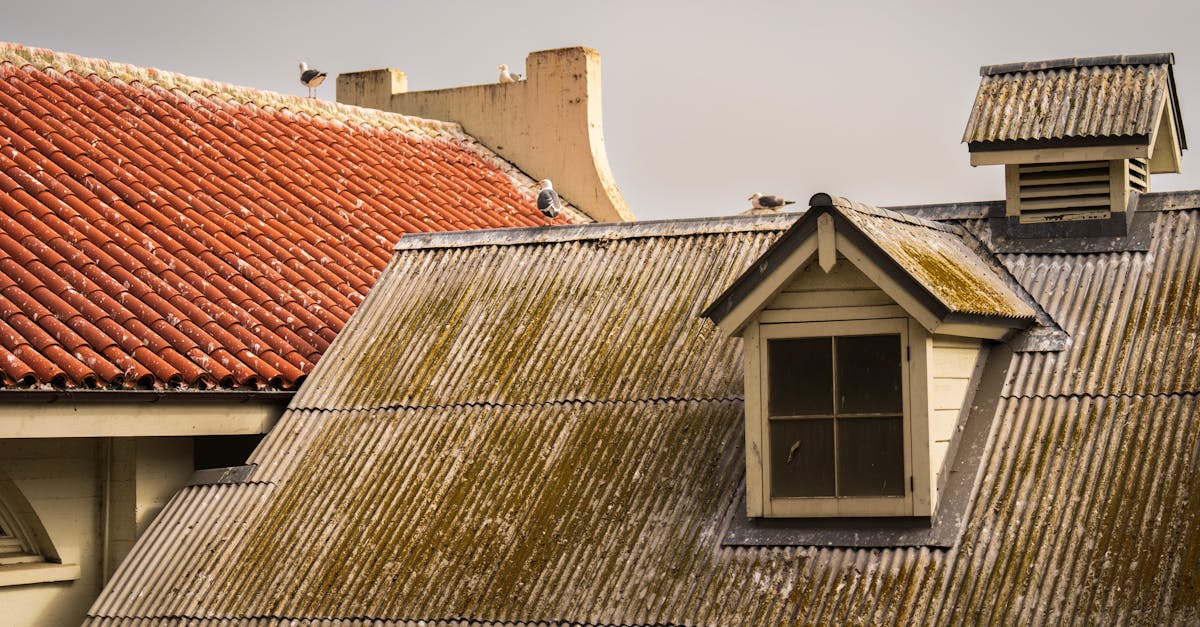
A well-maintained roof should have a clean and uniform appearance. If you notice dark streaks or patches, this often indicates the presence of algae or moss growth. These organisms thrive in damp and shaded areas. Over time, they can cause damage to roofing materials, leading to costly repairs. Additionally, the accumulation of debris, such as leaves and twigs, can hinder proper drainage, resulting in further deterioration.
Discolouration can also be a sign of damage. If the roof appears faded or stained, it may be a result of weathering from uv exposure or contaminants. Look for any signs of peeling paint or rust on metal roofing, as these issues can compromise the integrity of the structure. Regular inspections are essential to catch these visual indicators early, ensuring the longevity of your roof's performance.
FAQS
What are the main environmental impacts of roof cleaning products?
The main environmental impacts include the potential runoff of chemicals into waterways, which can harm aquatic life, as well as the contribution to air pollution and negative effects on local ecosystems.
Are there sustainable practices for roof cleaning?
Yes, sustainable practices include using biodegradable cleaning solutions, opting for low-pressure washing methods, and implementing methods such as soft washing that minimise environmental harm.
How often should I clean my roof?
The frequency of roof cleaning can vary, but generally, it is recommended to clean your roof every 1 to 3 years, depending on the type of roofing material and environmental factors.
What factors influence the intervals for roof cleaning?
Factors include the local climate, surrounding vegetation, the type of roofing material, the presence of moss or algae, and the overall condition of the roof.
What are the signs that my roof needs cleaning?
Visual indicators include the presence of dark stains or streaks, moss or algae growth, a buildup of debris such as leaves and dirt, and visible damage like cracked tiles or shingles.
Related Links
Green Certifications for Roof Cleaning ContractorsCommunity Initiatives for Sustainable Roof Cleaning Practices
Exploring Natural Alternatives to Chemical Roof Cleaners
The Benefits of Biodegradable Cleaners in Roof Maintenance
Minimising Carbon Footprint in Roof Cleaning Operations
The Role of Native Plants in Promoting Eco-friendly Roof Care
Sustainable Detergents: A Future for Roof Maintenance
Strategies for Reducing Water Waste in Roof Cleaning