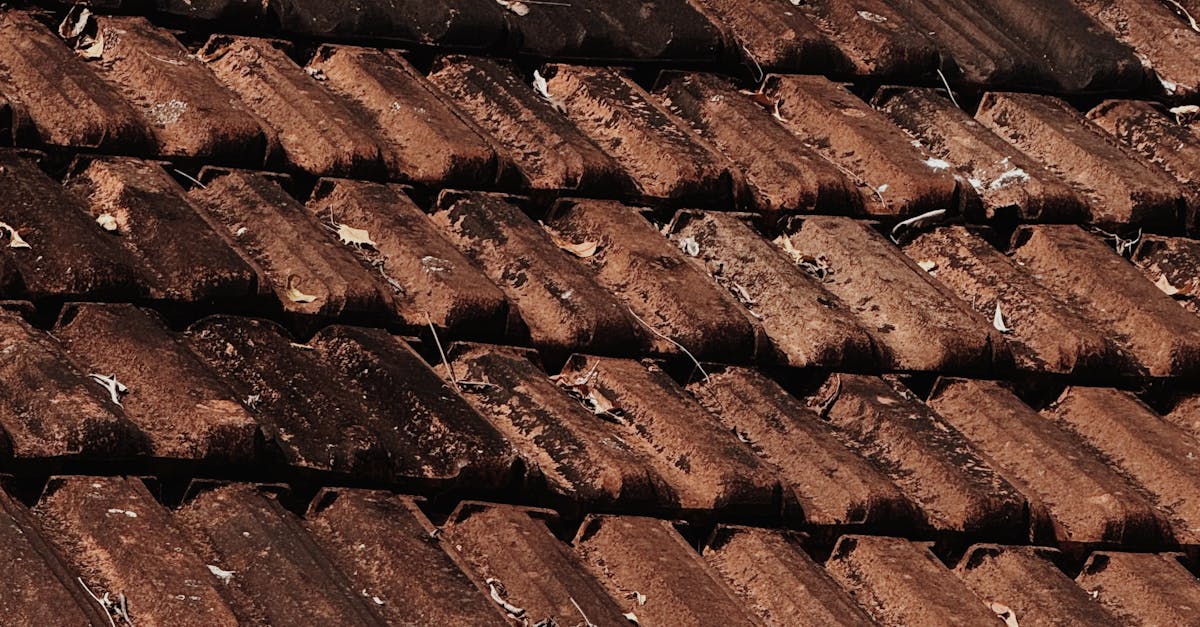
Chemical Runoff from Roof Cleaning: Risks to Urban Soil in Sydney
Table Of Contents
Mitigating Chemical Runoff
Runoff from roof cleaning can significantly impact urban soil, especially in populated areas like Sydney. Implementing strategies to minimise chemical discharge is essential to protect local ecosystems. One effective approach is selecting biodegradable and environmentally friendly cleaning agents. These alternatives are less harmful to both soil and local waterways, ensuring that when rain occurs, contaminants do not leach into the ground or drainage systems.
Additionally, adopting proper cleaning techniques plays a crucial role in reducing runoff. Techniques such as low-pressure washing limit the volume of water and detergent used, decreasing the chances of harmful substances entering the environment. Furthermore, scheduling cleanings during periods of dry weather can help control runoff, allowing surfaces to dry adequately before rainfall washes any residual chemicals away. Engaging professionals trained in eco-friendly practices can further enhance the effectiveness of these measures.
Best Practices for Eco-friendly Roof Cleaning
Utilising biodegradable cleaning agents can significantly reduce the impact on urban soil when cleaning roofs. These eco-friendly solutions break down naturally and do not contribute to long-term contamination. Pressure washing is another common method; however, it can create runoff issues. Using lower pressure settings and employing techniques that minimise water usage can help lessen adverse effects.
In addition to selecting the right cleaning agents, timing and weather conditions play crucial roles. Avoiding rainy days for roof cleaning prevents excess runoff into the local environment. Understanding the layout of the property can inform choices, such as directing runoff away from garden beds or soil areas. Collaborating with environmental experts can provide insights into further optimising the cleaning process while protecting urban ecosystems.
Community Awareness and Education
Raising awareness about the environmental impact of chemical runoff from roof cleaning practices is crucial for urban communities in Sydney. Many residents remain unaware of how these chemicals can infiltrate local soil and waterways, leading to long-term environmental degradation. Educational campaigns that highlight the consequences of improper practices can foster a greater understanding of the need for eco-friendly alternatives. Engaging local organisations and environmental groups in these efforts can amplify the message and promote healthier practices among homeowners.
Workshops and community events can serve as effective platforms for sharing knowledge and techniques related to sustainable roof cleaning. These initiatives can empower residents with practical skills and alternatives that reduce reliance on harsh chemicals. By providing accessible resources and encouraging discussions, communities can cultivate a sense of responsibility towards their environment. This collective effort can ultimately lead to a significant shift in behaviours, promoting a healthier urban ecosystem for future generations.
Engaging Sydney Residents in Sustainable Practices
Residents play a crucial role in mitigating the risks associated with chemical runoff from roof cleaning. Encouraging local communities to adopt eco-friendly practices not only benefits the environment but also enhances the health of urban soil. Workshops and information sessions can equip individuals with the knowledge needed to select biodegradable cleaning products. Promoting roof cleaning options that minimise chemical use fosters a collective commitment to sustainability.
Collaboration between local councils and residents can further amplify these efforts. Community initiatives such as neighbourhood clean-up days create opportunities for hands-on learning and foster a sense of responsibility towards the environment. Sharing success stories and techniques through social media platforms can inspire others to join in the movement. By actively participating in sustainable practices, Sydney residents can contribute to a healthier urban ecosystem.
Case Studies from Sydney
Several incidents within Sydney have raised awareness about the impact of chemical runoff on urban soil. One notable case occurred in a suburb where a roof cleaning service used a high-strength chemical solution. Following heavy rainfall, the contaminants leached into nearby garden beds, resulting in visibly stressed plants and concerns over soil health. Tests confirmed elevated levels of harmful substances, prompting local authorities to investigate the practices employed by the cleaning crew.
Another example involves an educational program initiated in response to soil contamination reports. Residents in an inner-city area engaged with the local council to understand the effects of various roof cleaning chemicals. Workshops facilitated discussions about eco-friendly alternatives and best practices for maintaining roofs without risking urban soil quality. This initiative not only aimed to prevent further contamination but also empowered community members to become stewards of their environment.
Analyzing Local Incidents of Soil Contamination
Recent investigations in Sydney have highlighted several incidents where improper roof cleaning led to significant soil contamination. In one notable case, a residential area experienced elevated levels of toxic chemicals in the soil following a roof cleaning project. The substances, primarily derived from cleaning agents, infiltrated nearby gardens and parks, raising concerns about their impact on local flora and fauna.
Another instance occurred in a suburban district where local businesses hired unregulated cleaning services. The runoff from these operations caused detrimental effects on soil health, with tests revealing harmful concentrations of surfactants and bleach. As a result, community members raised alarms about potential risks to public health, prompting calls for stricter regulations on roof cleaning practices in the region.
FAQS
What is chemical runoff from roof cleaning?
Chemical runoff from roof cleaning refers to the flow of cleaning agents, such as biocides and surfactants, into the environment after they are used on roofs. This runoff can contaminate urban soil and waterways, posing risks to local ecosystems.
Why is chemical runoff a concern for urban soil in Sydney?
Chemical runoff poses a significant risk to urban soil as it can lead to soil contamination, affecting plant health, local biodiversity, and potentially entering the food chain. In a densely populated area like Sydney, the impact can be more pronounced due to the proximity of residential areas to urban green spaces.
What are some best practices for eco-friendly roof cleaning?
Best practices for eco-friendly roof cleaning include using biodegradable cleaning agents, minimising water use, employing manual cleaning methods when possible, and using containment systems to prevent runoff. It's also essential to follow local regulations and guidelines to ensure environmentally safe practices.
How can residents of Sydney be engaged in sustainable roof cleaning practices?
Engaging Sydney residents can be achieved through community awareness campaigns, workshops, and educational programs that inform them about the risks of chemical runoff and the benefits of eco-friendly cleaning alternatives. Local councils can also promote sustainable practices through incentives and resources.
Are there any case studies that highlight the impact of chemical runoff in Sydney?
Yes, several case studies have documented incidents of soil contamination due to chemical runoff from roof cleaning in Sydney. These case studies offer valuable insights into the extent of the issue and underscore the importance of adopting sustainable cleaning practices to protect urban soil.
Related Links
Evaluating the Impact of Roof Cleaning Products on Sydney's Soil HealthThe Long-term Consequences of Roof Cleaning Chemicals on Local Ecosystems
Legislative Aspects of Chemical Use in Roof Cleaning and Soil Protection
Best Practices for Reducing Chemical Impact on Soil in Roof Cleaning
Assessing Soil Recovery: Mitigating the Effects of Chemical Runoff
Roof Cleaning Chemicals and Their Impact on Soil Microbial Activity